

European Defence Fund · Project No. 101224587
THE ABBOT PROJECT
The comparative advantage of modern defence platforms lies in their survivability, stealth performance and resilience against increasingly complex electromagnetic (EM) threats. In an era where warfare is highly dependent on electronic systems, maintaining low observability and electromagnetic compatibility has become a critical operational requirement.
However, operational environments characterized by dense radar coverage, multi-band sensing systems and advanced electronic warfare capabilities significantly increase the risk of detection and system disruption.
For defence platforms operating in such contested EM environments, traditional approaches based on surface coatings or add-on shielding layers are often insufficient, particularly when weight, durability and multi-functionality are critical constraints.
The ABBOT project aims to address these challenges by developing an innovative class of multifunctional structural composites that inherently combine radar-absorbing (RAM) and electromagnetic interference (EMI) shielding capabilities directly within lightweight load-bearing structures.
Unlike conventional solutions, ABBOT integrates EM functionality into the material architecture itself, enabling both reduced radar cross-section (RCS) and enhanced protection against EM interference without compromising structural integrity.
Through a multi-tiered approach combining material design, computational optimization and experimental validation, ABBOT aims to deliver adaptive, sustainable and high-performance composite solutions aligned with EU strategic autonomy objectives and dual-use innovation pathways.
THE PROJECT SCOPE
Design and develop a new class of multifunctional structural composite systems integrating radar-absorbing (RAM) and electromagnetic interference (EMI) shielding capabilities, with the objective of reaching Technology Readiness Level (TRL) 4 by the end of the project. The developed materials will enable lightweight, load-bearing structures with intrinsic electromagnetic functionality suitable for advanced defence applications.
The fundamental material components, manufacturing processes and integrated functionalities will be systematically tested and validated in a controlled laboratory and relevant simulated environments. Performance will be assessed in terms of mechanical integrity, electromagnetic attenuation efficiency, shielding effectiveness and compatibility of all constituent phases within a unified composite architecture.
As TRL4 represents the final target of the project, a key expected outcome is the identification of technical gaps, scaling challenges and integration barriers that may arise during transition toward higher Technology Readiness Levels (TRL 5 and beyond), where validation shifts from laboratory conditions to relevant operational or field-like environments.
A4 flyer of ABBOT project
Download the full PDF for aims, innovation pillars, applications and consortium partners.

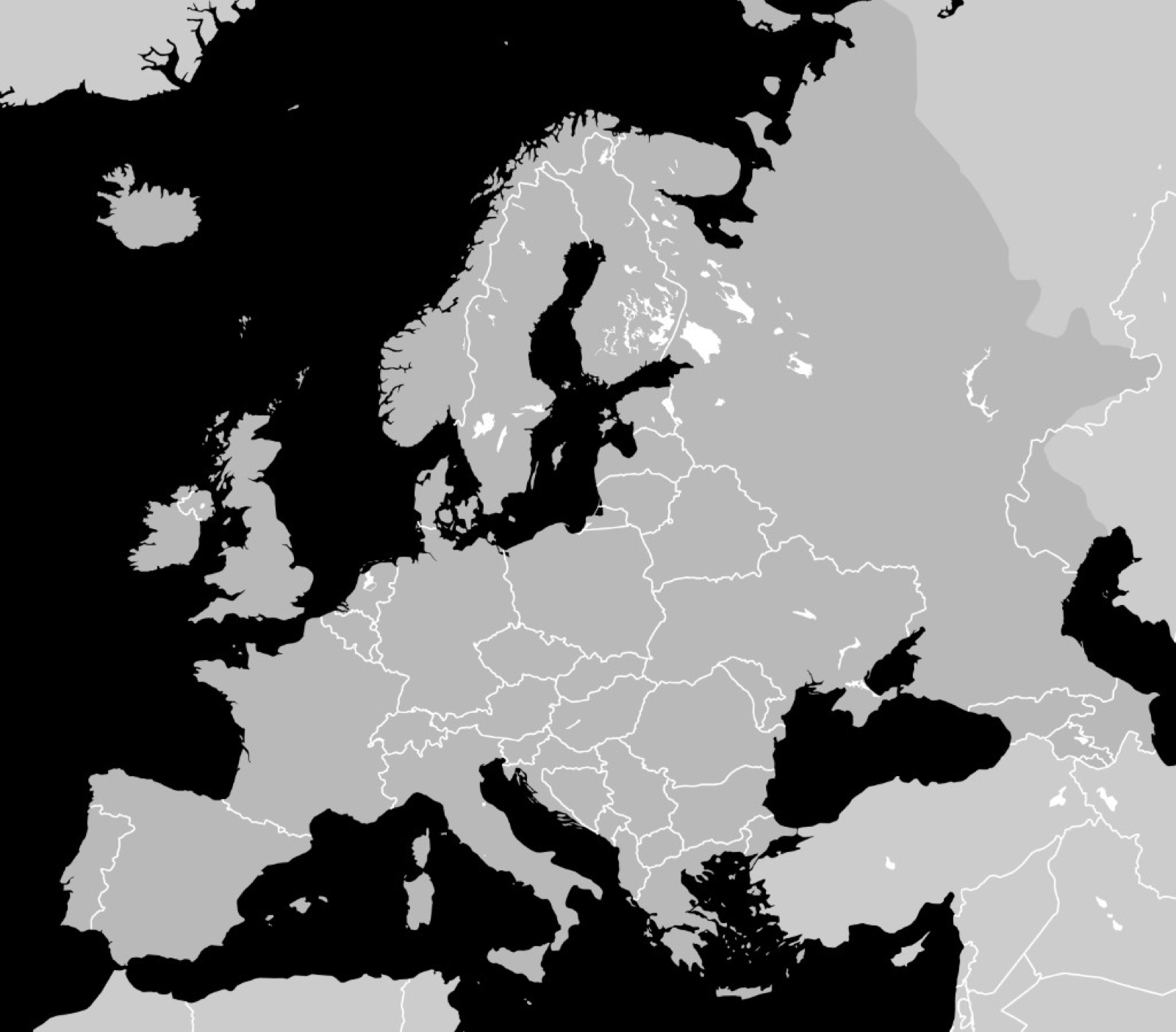
 Finland

 Germany

 France


 Spain
Spain


 Greece